
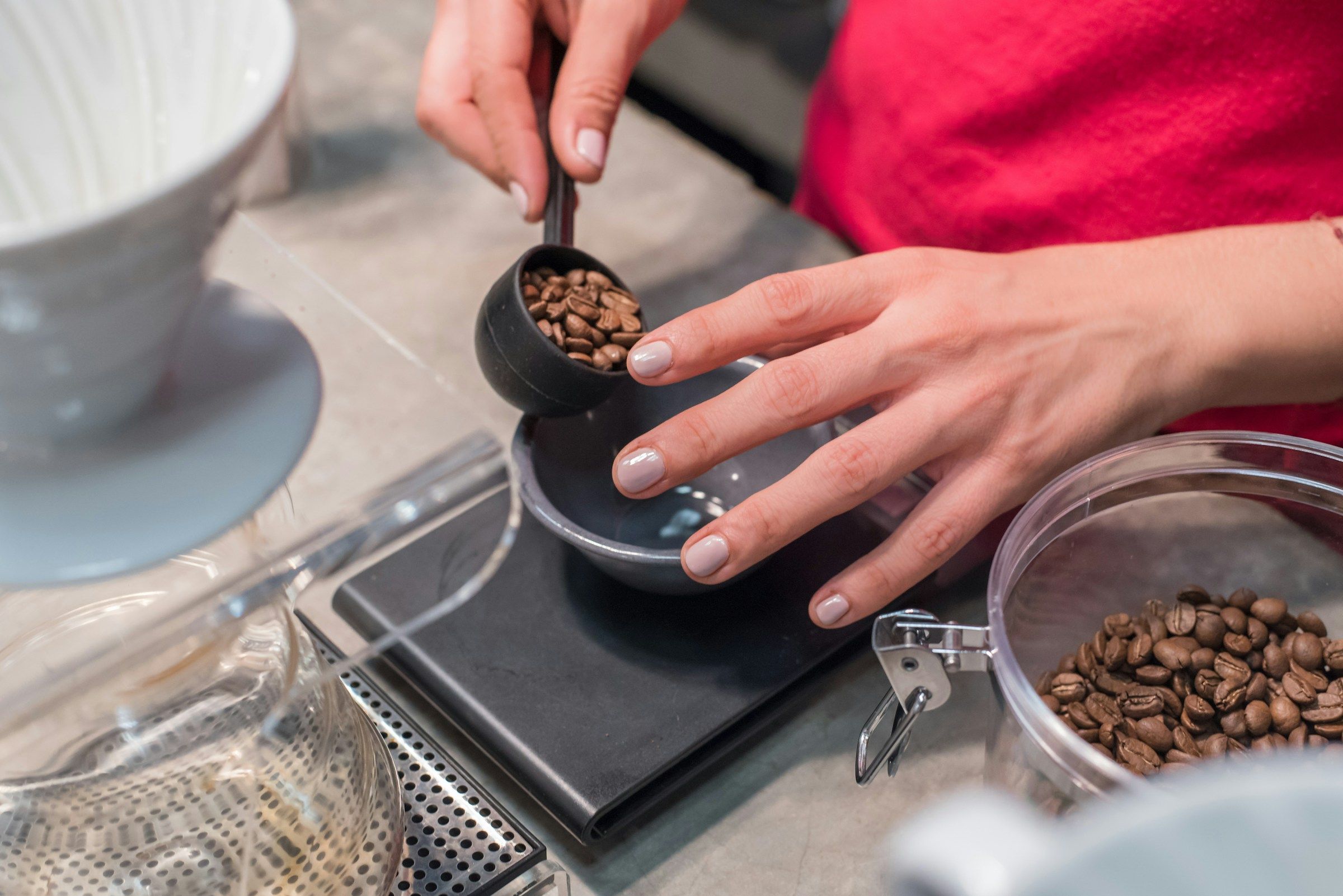
Whether you are trying to lose weight, build muscle, or simply eat healthier, tracking calories can help you reach your goals. But let’s face it—calorie counting doesn’t always come easy. There are a few reasons for this. First, it can be time-consuming, especially if you’re trying to figure out the nutrition information for a homemade meal or a dish from a restaurant. Second, it can be tedious, especially if you do it manually. Luckily, using a food scale can make tracking calories much more manageable. In this article, we’ll cover how to use a food scale for calories so you can hit your macros and calorie goals with precision. But, how calories are measured?
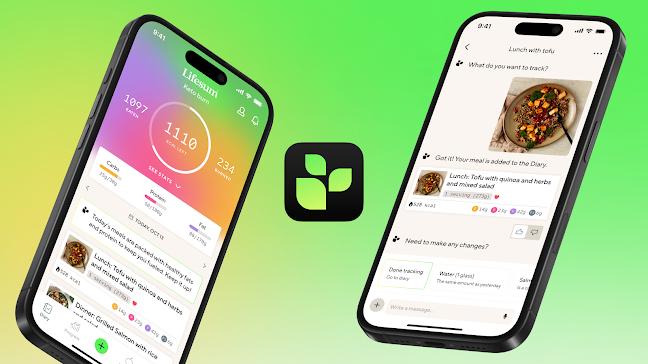
One valuable tool for tracking calories accurately is Goldi AI’s calorie tracker. This intuitive app integrates with smart food scales to give you precise nutrition information on any food you measure so you can reach your dietary goals faster, with less effort, and with greater accuracy.
Do I Need a Food Scale to Count Calories?
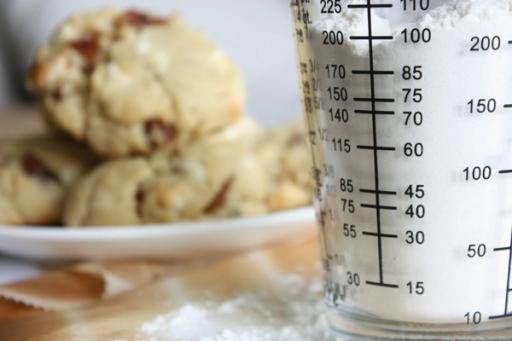
A food scale drastically improves calorie-tracking accuracy. Measuring cups and estimating portions can get the job done, but a food scale will always provide more accurate results. Why? Because weighing foods eliminates the guesswork. And when it comes to tracking calories, even minor miscalculations can lead to inaccurate results.
Why Accurate Food Weighing is Key to Tracking Calories
For example, let’s say you take a guess and estimate that you’re eating 100 grams of chicken breast. In reality, the portion you’re consuming is 125 grams. That isn’t too far off, right? Well, maybe. But here’s the kicker: that 100-gram portion of chicken breast contains about 165 calories, whereas that 125-gram portion? It’s closer to 205 calories. That’s a 40-calorie difference!
And over time, if you’re tracking calories to lose weight, that miscalculation can lead to false progress, you think you’re hitting your goals, but you’re way off. A routine of weighing your food and logging it in a journal makes all the difference. It’s a simple step that can set you up for success!
How A Food Scale Improves Calorie Tracking Accuracy
If you’re trying to lose weight and you struggle with eating in a calorie deficit, a scale will help guarantee better accuracy. Like counting macros, food scales can provide accurate data that you can use to track progress… and make changes accordingly. Plus, I’ve found that it helps me set a more focused intention and stick to my goals.
Why Track Calories and Macros?
By tracking your macronutrient intake, you ensure an optimal balance of nutrients to meet your total caloric goal. Macros include protein, carbohydrates, and fats. While there are some different ways to track your food intake, tracking macros is a great way to support your health and fitness goals.
The Benefits of Weighing Food
I advocate weighing your food because, as I mentioned before, this process can help lead to weight loss. It is not 100% vital, but it definitely can help. Here’s precisely why and how a food scale can help you lose weight: It teaches you portion control. Once you start weighing your food, you’ll better understand how many calories you consume.
The Importance of Portion Control: How a Food Scale Helps Build Lasting Healthy Eating Habits
You may be surprised, but those granola cereals you have in the morning contain 400-500 calories per bowl… and a small bowl. We often make assumptions, so adding a scale gives you the accuracy you need to know portion sizes.
It creates a healthy eating pattern: By sticking to a certain amount of calories daily, you’ll fall into a healthy eating pattern without much effort. The next thing you know, you won’t need the scale anymore, mainly when you use Meal Prep Containers, because you’ll find that sweet spot.
Do Food Scales Help You Lose Weight?
Food weighing scales are one of the most essential tools for anyone on a weight loss journey, especially if you are just beginning. As mentioned above, it gives a more accurate representation of your daily calorie intake and allows you to remain in a calorie deficit. Not only this, but it teaches you to recognize the correct portion size for you. Most people are entirely unaware of how many calories are in the food they eat, and once you begin using a food scale for weight loss, you begin to understand better how this works.
How Weighing Healthy Foods Helps You Avoid Hidden Calories
Even foods we may think of as ‘good’ for us can contain high amounts of calories – did you know 50 grams of chia seeds, for example, contain well over 200 calories? That’s not to say we should never eat chia seeds, but knowing how much is correct is essential.
Weighing your food will also help create healthy eating habits over time. As you adjust to your new diet, it will eventually take less effort. Eventually, the process will become second nature, and you can weigh and eat quickly.
How To Use A Food Scale For Calories Effectively
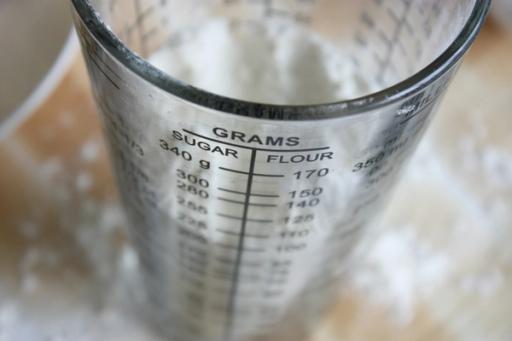
When starting a diet, learning the correct serving sizes for each nutrient category is essential. A food scale will teach you the weight of the food you are about to consume. Mistakes in measurement can turn your whole diet plan upside down. Dietitians stress that food scales, cups, and spoons are essential for successfully carrying out your diet plan.
A food scale is best for measuring meat and cheese, while cups are best for pasta, rice, and fruits and vegetables. Generally, you should measure your food after it has been cooked. A food scale is handy when preparing meal plans or recipes requiring weighing ingredients.
1. Identify the Best Food Scale Type
Identify the type of food scale you wish to use. Some people find digital scales the most convenient option. They give exact numbers that are easy to read.
Other options could be a spring balance or an analog weight scale. While making your decision, focus on the scale that is within your budget, easier to read, can hold your serving size easily, and is easy to maintain.
2. Read the Food Scale’s Manual
Please read the manual that comes with your scale. Most scales do not come with a manual, except the digital ones, which have advanced features such as a calorie converter and those that show nutritional values.
Reading the manual helps you better understand the machine and enables you to learn its advanced features.
3. Reset the Food Scale
Before you begin measuring, make sure to press the reset button. Ensure that the scale reads zero before you add your food to it. This may be as simple as pressing the power button and waiting for the display to show, but it is often forgotten.
The spring scale might not require it, while for some, you may need to turn the knob back to zero.
4. Cut the Weight of the Container
If you use an external bowl or the tray provided by your food scale, weigh the empty external bowl. If you’re using the tray that comes with the food scale, then make sure to place it on the scale and then set it to zero.
For the external container, you can subtract its weight after you’ve measured your food.
5. Place Your Food on the Food Scale’s Platform
Set your food portion in the container on the scale. For manual food scales, settle on a number for a few moments. For a digital scale, the weight is automatically displayed. To use the advanced feature, follow the manual’s guidelines.
6. Use Basic Mathematics to Count Calories
Use the label on your food to check how many calories it has per ‘X’ amount of servings. Use basic mathematics, and you’ll get the calorie count for your food. Tada! Your step-by-step guide to using a food scale to count calories.
Tracking the Macros On Your Food Scale
You can search for the food in your tracking app under the meal you are tracking, e.g., breakfast, lunch, or dinner. When you have found the correct entry, be sure to check that the serving size is listed in the same unit in which you weighed your food, i.e., grams or ounces.
Then, enter the exact weight of your portion, and your tracking app will calculate your macros.
You can confirm the entry. Continue to search for each item in your meal and log the correct serving sizes. Some people prefer writing their serving sizes down on a Post-it note after weighing them out and adding them to their tracking app, while others prefer to search and enter the data directly into their tracking app as they use their food scale.
Tips to Choose the Right Food Scale for Calories
Capacity: Do You Want to Weigh Tiny or Large Amounts of Food?
Food scales come with all kinds of maximum capacities, so it’s crucial to find one that suits your needs. A compact bench scale with a lower maximum capacity should be enough for portion control and weighing out individual ingredients. For larger batch weighing or meal prepping, you may want something that can take a heavier weight.
Portability: Do You Want to Weigh Food at Home or On the Go?
Portability can be vital for weighing out your food on the go, where there may not be a power socket, or for weighing out pre-workout mixtures or protein powders in the gym. Look for a device with rechargeable batteries and a compact, easy-to-carry design.
IP Rating: Do You Need a Waterproof Scale?
An IP rating determines the level of waterproofing a weighing scale has and is helpful if you require extra protection for your food scale. If you regularly want to weigh messy subjects such as raw meat or fish, then getting an IP-rated food scale can be a good idea to maintain good hygiene.
Price: How Much Should You Pay for a Food Scale?
Budget is essential, as you want to pay the right amount for what you need. Before buying your food weighing scale, ensure you understand what features and functions you need to help keep costs to a minimum.
Track Your Calories within Less Than 15 Seconds with Our Calorie Tracker App
Goldi AI’s simple premise provides a vital upgrade to traditional calorie counters. Instead of tedious manual logging, Goldi AI uses advanced artificial intelligence to analyze photos of your food and calculate the nutritional information in seconds.
By combining your camera’s depth sensor with sophisticated AI models, the app accurately identifies:
- Different foods within your meal
- Estimates their volume
- Calculates:
- Calories
- Protein
- Carbs
- Fat
Say goodbye to old-school tracking apps and hello to seamless nutrition logging with Goldi AI.