

If you’re struggling to lose weight, you may have heard about the ketogenic diet. This high-fat, low-carb weight loss plan can help you shed pounds quickly by turning the body into a fat-burning machine. But how do you keep this process going once the initial phase is over? Many people find that tracking macronutrients, or macros, helps them stay on course. Learning to track macros on keto can take your weight loss to the next level by helping you achieve sustainable fat loss without constant guesswork. This article will teach you how to get started so you can easily track macros on keto, stay in ketosis effortlessly, and achieve your weight loss goals. We will also touch upon “how to hit your macros?”.
Calorie tracking apps like Goldi AI’s calorie tracker make this process easy by allowing you to quickly log foods and visualize your progress toward reaching your macro goals.
Why Macros Matter on Keto

If you’re new to Keto, you’ll want to familiarize yourself with tracking macros. Macros, short for macronutrients, are nutrients your body needs in large amounts to thrive. The three macronutrients are carbohydrates, protein, and fat. When you track macros on Keto, you pay special attention to carb, fat, and protein intake to help you reach your diet goals.
What are Macronutrients?
Macronutrients are nutrients required in large, or “macro,” amounts in your diet. Nutrients
required in smaller amounts, like vitamins and minerals, are called micronutrients.
Fueling Your Body Beyond Calories
Macronutrients come in three primary forms: carbohydrates, protein, and fat. These three macros provide the raw materials to:
- Produce energy
- Build muscle
- Heal wounds
- Much more
Technically, alcohol is also a macronutrient, but it’s not essential and not something you need to track on a macro-based diet.Another feature of macronutrients? They contain calories. (Calories approximate the energy released when a food is digested.) Here are the calorie counts for each macronutrient:
- Carbohydrates: 4 calories per gram
- Protein: 4 calories per gram
- Fat: 9 calories per gram
- Alcohol: 7 calories per gram (in case you were wondering!)
Macros and Weight Loss Synergy
Despite what you may have heard, calories matter on a macro-based diet. For instance, if you eat too many calories (even healthy fat calories) on a Ketogenic diet designed for weight loss, you probably won’t lose weight. (Fortunately, most people find that overeating isn’t a problem on Keto, likely due to reductions in hunger hormones like ghrelin.)So yes, calories matter. But the type of calorie matters, too. In other words, a fat calorie doesn’t affect your body in the same way as a carbohydrate calorie. Protein has its unique functions, too. With that in mind, let’s run through these macros:
Carbohydrates
Carbs are how plants store energy. (Think grains, fruits, and roots). So plants store carbs…then animals eat them. When we digest carbs, they end up in our blood as blood sugar. This blood sugar can either be used immediately for energy or stuffed away as glycogen (stored sugar) or fat. Your ability to process carbs depends on the hormone insulin, which we’ll cover soon.
Protein
Protein is found in plant and animal sources and is an absolute dietary necessity. Getting enough protein helps you maintain muscle, produce neurotransmitters, and synthesize various hormones. If you don’t get enough protein, your body breaks down your muscle mass to meet those needs. Yikes. That doesn’t happen when you restrict carbs or fat.
Fat
Fat gets a lot of flak, but assuming we’re talking about healthy fats like:
- Olive oil
- Avocados
- Coconut oil
- Butter
- Animal fat
This is mostly undeserved. Fat helps you produce and store energy, absorb fat-soluble vitamins like A, D, and K, and build cell membranes. Fat becomes your primary energy source on a Keto diet or during a fast. In other words, eating fat helps you access body fat.
Why Macros Matter On Keto
The number one rule of low-carb dieting is to mind your macros. The Keto diet means eating 60-70% of your calories from fat, 20-30% from protein, and 5-10% from carbs. This isn’t just for funzies. Keeping your macros in these ratios signals your body to enter the fat-burning state known as ketosis.
The Carb-Insulin Connection
Keeping carbs low is the crucial piece. Maintaining low carbs keeps blood sugar low, meaning less insulin (your blood sugar boss) is released into circulation. With insulin absent, a neon sign lights up inside your liver cells: CARBS ARE SCARCE! TIME TO START BURNING FAT AND MAKING KETONES. That’s how ketosis happens. And when you stay in ketosis over weeks, the benefits of fat loss, stable energy, appetite management, and mental clarity often follow.
What About Net Carbs?
You just learned why you need to cut carbs on Keto. Nevertheless, not all carbs are on the chopping block. Fiber and sugar alcohols, for instance, have minimal impact on blood sugar (or glycemic). Because of this, they won’t meaningfully affect your Keto macros. So, instead of total carbs, consider tracking net carbs on Keto.
When you track net carbs, you’ll be much less restricted in what you can eat. The equation for net carbs looks like:
Net carbs = Total carbs - fiber - sugar alcohols
Mastering the Essential Metric for Keto Success
For example, an avocado has 12 grams of total carbs, but 9g comes from fiber, leaving just 3g of net carbs! Any macro tracker worth its salt will have net carb functionality, although many include this feature with their premium membership only. Net carb tracking is free with Carb Manager, and you can learn how it works here.
Customizing Your Macros
No diet is one-size-fits-all. You’re a unique individual with unique needs. Let’s use Keto as an example. Let’s say you’re doing Keto for weight loss. In this case, you might want to cut carbs below 5%, lower than a person maintaining weight. If you’re highly active (CrossFit, say), you might want to increase the carbs and protein. Protein is essential for repair and recovery after exercise. So, how do you calculate your macros? You use technology to calibrate your diet to your specific needs.
How to Track Macros on Keto

Tracking your macros on the keto diet can feel overwhelming at first. But it’s easy once you understand the basics of calculating your personal macro needs and the best ways to track them. Here’s a step-by-step guide to monitoring your keto macros effectively:
Calculate Your Personal Macro Needs
Before you start tracking your macros, you need to calculate your personal macro needs. This will help you determine how many of each type of keto-friendly food you should eat each day to reach your goals. Your macro needs can change over time as you progress on the keto diet, so it’s a good idea to recalculate them every few weeks. To calculate your macro needs, determine your daily calorie intake. The number of calories your body needs will depend on several factors, including your goal (lose weight, maintain weight, gain weight, build muscle), age, weight, and activity level. Next, work on your keto macro breakdown.
The ideal ketogenic macros are 65-80% fat, 20-30% protein, and 0-10% carbs. (Carbs can be zero if you follow a keto-carnivore diet.) To find your actual macro targets, follow these steps:
- Multiply your total calories by each macronutrient percentage.
- Divide the answer by the number of calories per carbs, fat, and protein.
The final result is your required grams per macro per day. For example, let’s say you’re a female on a 1,300-calorie diet for weight loss and you picked a keto macro ratio of 65% fat, 30% protein, and 5% carbs. To get your actual macros, your calculation would be:
- 1,300 x 0.65 = 845 / 9 = 94 grams of fat per day
- 1,300 x 0.30 = 390 / 4 = 98 grams of protein per day
- 1,300 x 0.05 = 65 / 4 = 16 grams of carbs per day
Start Writing It Down
You’ll want to use an app to track your macros (that’s tip #4!), but still, Don’t neglect the ancient power of pen and paper. You’re more likely to make something happen when you write it down.
In one study, people who pre-planned exercise were 2-3 times more likely to follow through than those who didn’t. Practically speaking, this could mean:
- Use a journal to plan your meals and macros each morning.
- Logging your meals in the app and comparing your actual results to your planGive it a try.
Track Ketone Levels
Ketones are tiny molecules produced when your liver burns fat. Once released into circulation, they fuel your brain and body with clean, efficient energy. Ketones can be measured in both blood and urine. If Ketone levels are elevated, it’s a good sign your low-carb macros strategy is working. Consider picking up a Keto-Mojo meter to test Ketone levels accurately and affordably at home. As a bonus, Carb Manager will likely roll out an integration shortly.
Use a Macro Tracker
Of course, you can keep an essential journal where you take notes of your daily food intake and macros. But macro apps are time-saving; most even come with extra features like free recipes and sync with fitness trackers.
Navigating Keto with App-Powered Macro Mastery
When you embark on your Keto journey, don’t do it alone. Hire a digital health coach to guide you through the steps. If that sounds expensive, don’t worry: We’re talking about an app here! A macro tracker makes your Keto diet MUCH easier. You tell it what you ate, it queries a massive food database and out pops your macro ratios. Then, you adjust accordingly. To make tracking more accurate, weigh your foods before cooking and log them in the app. This is time-consuming in the beginning, but soon enough, it’ll help you eyeball your portion sizes, and you won’t even need the app anymore.
Set Yourself Up For Success By Keeping It Simple
It helps to get familiar with keto-friendly food items. That way, navigating the grocery store won’t be difficult anymore. As a quick hack, remember that animal-based foods (e.g., eggs, meat, seafood) have few to no carbs, making them ideal for achieving ketosis. Advanced meal prepping ensures you can meet your macros every day or most days of the week. Opt for recipes with few ingredients, like this delicious breakfast omelet recipe to save time and money. Even better, log your keto meals the day before so you won’t have any excuse to miss them.
Make Macro Adjustments Along The Way
Eventually, your keto macros will need some tweaking so you can keep seeing the progress you’re aiming for. Adjustments are usually required if you’ve stopped seeing weight loss, known as a weight loss plateau, or you decide to become more active (e.g., marathon training, weight lifting, etc.). The important thing is to stay consistent with your keto diet and strive for progress, not perfection!
Is the Keto Diet Safe and Sustainable?
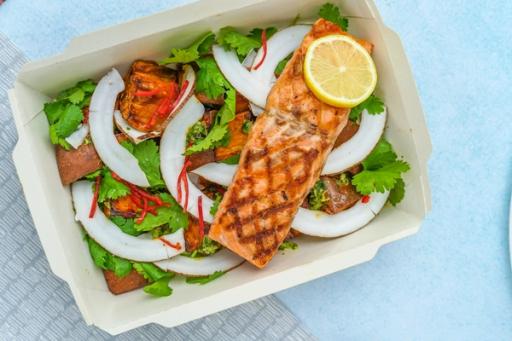
The keto diet may lead to short-term weight loss, but research on its long-term health effects is lacking. “The ketogenic lifestyle is a very regimented diet or way of eating, without a lot of room for cheating,” explains Pam Nisevich Bede, M.S., R.D., a registered dietitian with Abbott.
“Tracking your macros can help you maintain ketosis and help assure you’ll be following a high fat, moderate protein, very low carb plan. This is important because precise intakes of macros lead to better results, including weight loss and body composition changes.”
Conquering the Adaptation Phase
Reaching ketosis can be a challenge, even for the most dedicated dieter. “After years of relying on carbohydrates for energy, it takes a couple of weeks to fully adapt to this way of eating,” explains Bede. “Once you’ve had a chance to adjust, stick to the plan rather than undoing all of your hard work.”
Striking a Balance and the Keto Flu
While your macronutrient ratio will play the most critical role, it’s not the only consideration when adhering to the keto diet. Certain lifestyle factors, like hydration and exercise, will also contribute to your success. Dehydration can exacerbate symptoms of keto flu—temporary side effects of your change in diet, including:
- Headache
- Fatigue
- Nausea
- Muscle cramps
Hydration, Activity, and Micronutrient Balance in Keto
Manage side effects by sipping on calorie-free and electrolyte-rich beverages throughout your day. Add regular exercise, which can help boost your resting metabolic rate and support the desired outcomes of the keto diet. And despite keto’s emphasis on macros, you still need to remember the value of micronutrients.
Potassium, calcium, and vitamins C and B are just a few of the essential micronutrients to support optimal health. “When you start the keto diet, select food groups will disappear from your plate,” says Bede, referring to those typically packed with the nutrients above.
“It’s important to consider the vitamins and minerals these foods provide.” She recommends finding alternate sources of nutrients, adding fruits, vegetables, and grains back to your diet in incremental quantities, or considering taking a supplemental multivitamin.
Hitting the Keto Sweet Spot
Despite best-laid plans, it can sometimes be challenging to follow diets like keto because they require such strict attention to detail. “We know that being successful on keto requires a lot of rigor and regimentation,” says Bede. “So you want to be sure to invest time in meal prep and meal planning.”
Streamlining Success with Convenient and Essential Foods
Convenient keto options, such as ZonePerfect® Keto shakes and powders, can help you hit your macros when you’re on the run or don’t have time to prepare a balanced keto meal or snack. And don’t forget to stock your kitchen with your favorite keto-friendly foods: cheeses, olives, oils, avocados, cold-water fish, and eggs, which are all tasty and work beautifully in combination.
“Having keto staples like these readily available is the key to long-term success,” says Bede, “especially when you really enjoy eating them.”
Track Your Calories within Less Than 15 Seconds with Our Calorie Tracker App
Tracking macros on keto doesn’t have to be tedious. Goldi AI eliminates the hassle of monitoring nutrition with our innovative AI technology and easy-to-use app. You only have to snap a picture of your meal; our app does the rest.
Using your phone’s depth sensor, Goldi AI analyzes the volume of food, identifies ingredients, and calculates the calories, protein, carbs, and fat content. With 90% accuracy on visible foods, calorie tracking has never been this effortless.