

Imagine waking up each day with steady energy that helps you stay productive and focused, all without the annoying crashes or fatigue that make you feel like you’re dragging. On a carnivore diet, you can achieve this healthy state by eating the right amount of protein. This article will explore how much protein you should aim for in a carnivore diet to maintain energy and mental focus. We’ll also address any confusion about protein consumption on a carnivore diet and offer tips for hitting your targets. In other words, this article will help you avoid the brain fog and lethargy associated with low-carb dieting by getting you primed for success. We will also touch upon “how to hit your macros?”.
Calorie tracking apps, like Goldi AI, can help you achieve your protein goals on a carnivore diet. With Goldi AI’s calorie tracker, you can track your protein intake and monitor how your body responds to optimize energy levels and mental focus.
What is the Carnivore Diet?
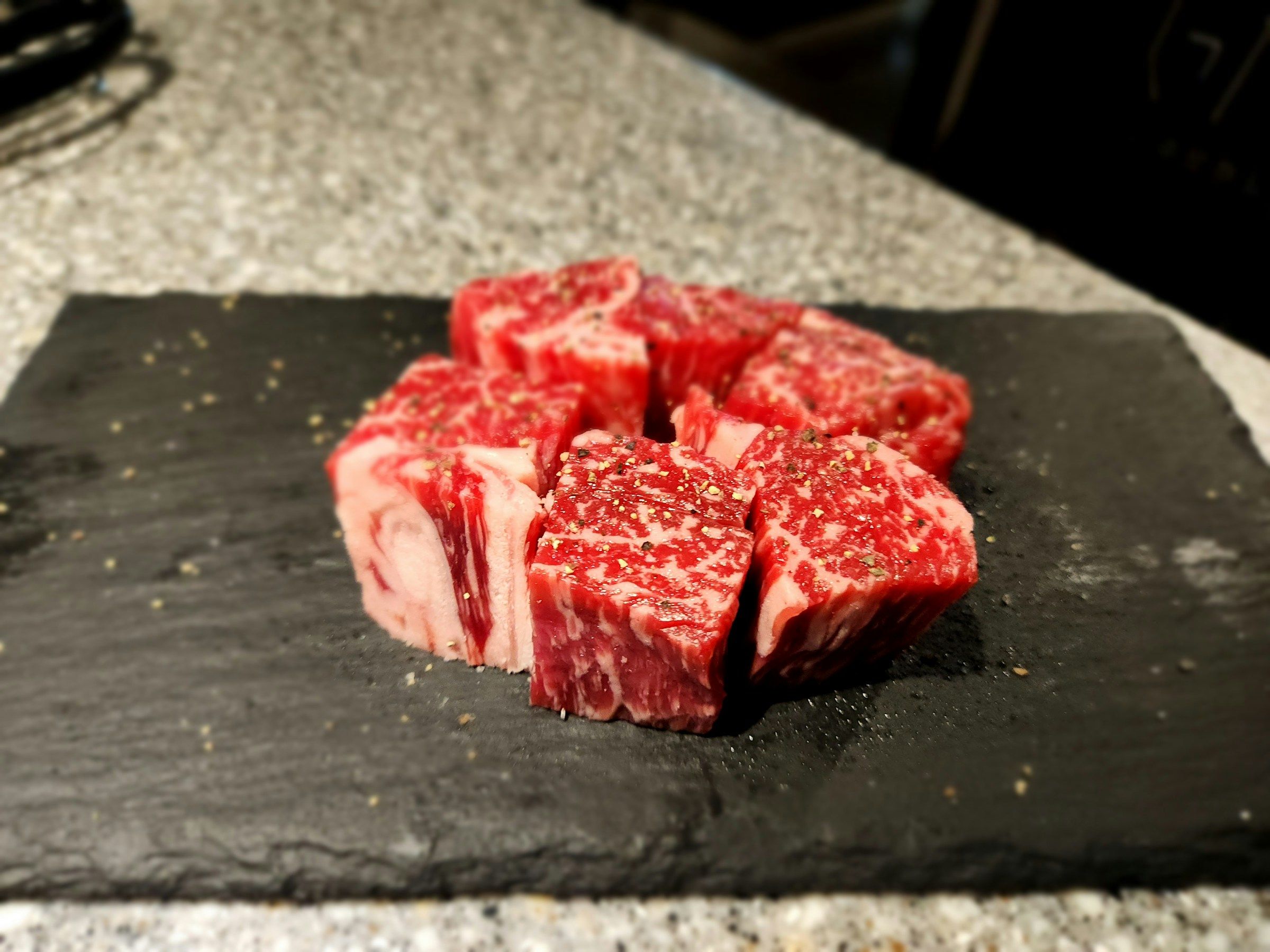
The carnivore diet is restrictive and includes only meat, fish, and other animal foods like eggs and certain dairy products. It excludes all other foods, including:
- Fruits
- Vegetables
- Legumes
- Grains
- Nuts
- Seeds
Dairy and Ancestral Diet Claims
Its proponents also recommend eliminating or limiting dairy intake to foods low in lactose, a sugar found in milk and dairy products, such as butter and hard cheeses. The carnivore diet stems from the controversial belief that human ancestral populations mainly ate meat and fish and that high-carb diets are to blame for today’s high rates of chronic disease.
Other popular low-carb diets, like keto and paleo, limit carb intake but don’t exclude it. Nevertheless, the carnivore diet aims for zero carbs.
Proponent and Unproven Benefits
Shawn Baker, an American orthopedic doctor, is the most well-known proponent of the carnivore diet. He cites testimonials from those who follow it as proof that it can treat depression, anxiety, arthritis, obesity, diabetes, and more. Nevertheless, no controlled studies have analyzed the effects of the carnivore diet.
Survey Results and Expert Concerns
One study promoted by Baker asked diet followers to complete a survey on their eating habits and health. The respondents reported satisfaction and beneficial effects. Nonetheless, nutrition experts raised concerns about the study’s health claims. For example, the study did not include any way to check the accuracy of the health information submitted by the respondents.
Study Limitations and Credibility Issues
The results should be interpreted with caution. What’s more, in 2017, Baker’s medical license was revoked by the New Mexico Medical Board due to concerns about his competency. Baker’s medical license was reinstated in 2019, and direct supervision was required when practicing medicine.
Sample Menu for the Carnivore Diet
The carnivore diet is challenging to follow long-term and offers little variety. Here’s a five-day sample menu for the carnivore diet:
Day 1
- Breakfast: eggs, bacon, sardines
- Lunch: turkey burger patty, salmon jerky, beef tips
- Dinner: filet mignon, crab, chicken liver
- Snacks: a small amount of Parmesan cheese, jerky
Day 2
- Breakfast: shrimp, eggs, a small glass of heavy cream
- Lunch: strip steak, tuna fish, beef jerky
- Dinner: lamb chops, scallops, beef liver
- Snacks: a small amount of hard Cheddar cheese, bone broth
Day 3
- Breakfast: eggs, salmon, turkey sausage
- Lunch: sweetbreads, pork chops, mackerel
- Dinner: turkey burger patty, a small amount of Parmesan cheese, bone marrow
- Snacks: hard-boiled eggs, shrimp
Day 4
- Breakfast: trout, shredded chicken, bacon
- Lunch: beef meatballs, small amount Cheddar cheese, salmon jerky
- Dinner: crab cooked in lard, filet mignon
- Snacks: sardines, beef jerky
Day 5
- Breakfast: eggs, chicken and turkey sausage links
- Lunch: lamb roast, chicken liver, pork chop
- Dinner: flank steak, scallops cooked in butter, a small glass of heavy cream
- Snacks: bone broth, turkey jerky
Can It Help You Lose Weight?
Certain aspects of the carnivore diet may lead to weight loss. Specifically, some studies have shown that high-protein and low-carb diets can promote weight loss. This is mainly because protein and fat can help you feel more full after meals, which may lead to reduced calorie intake and subsequent weight loss.
Protein can also increase your metabolic rate, helping you burn more calories. Therefore, following the carnivore diet would likely cause you to feel fuller and eat fewer calories overall — at least in the short term.
High-Protein Diet and Weight Loss
One 3-month study in 132 adults with excess weight or obesity compared the weight loss effects of 4 energy-restricted diets containing varying amounts of carbs and protein. Those who ate high-protein diets with 0.4–0.6 grams of protein per pound (0.9–1.3 grams per kilogram) of body weight per day lost significantly more weight and fat mass than those who ate 0.2–0.4 grams of protein per pound (0.5–0.9 grams per kilogram) of body weight per day.
Protein and Fat Intake vs. Carb Restriction
Other studies show similar results, suggesting that increasing protein and dietary fat intake may lead to weight loss and help reduce the amount regained over time. Yet, you don’t need to cut all carbs from your diet to see results. Other more well-studied diets, like the keto diet and low carbohydrate diet, have been shown to decrease weight gain.
In the keto diet, high-fat foods replace carbohydrates as an energy source, contributing to both satiety and weight loss. Plus, the highly restrictive nature of the carnivore diet makes it difficult to follow long-term.
How Much Protein Do I Need on a Carnivore Diet?

Protein needs vary from person to person. Factors like body weight, activity level, and health goals affect how much protein your body requires. For example, a sedentary person may aim for only 0.8 grams of protein per kilogram of body weight. By contrast, an active person may need between 1.6 to 2.2 grams, or higher, if they’re training for a competition or looking to pack on muscle.
Protein and Fat Balance for Muscle Repair
Intensive training breaks down muscle tissue, and protein is crucial for repairing and building back stronger muscles. The balance between protein and fat is essential in the carnivore diet. While protein helps keep the body functioning correctly, adequate fat intake is crucial for sustained energy.
Fat as Energy Source and Potential Protein Risks
Fat becomes the primary energy source on a very low-carb diet like the carnivore diet. You may feel fatigued and unwell if you don’t consume enough fat. If relevant, mention potential risks of excessive protein consumption, such as gluconeogenesis leading to energy imbalances. Excess protein can also cause digestive issues and stress in the kidneys.
If you’re transitioning to the carnivore diet from a standard diet, give your body time to adjust to the new eating plan.
What are Macros in the Carnivore Diet?
Macros stands for macronutrients, the essential nutrients your body needs in larger quantities. These macros include fats, proteins, and carbohydrates. You might think: “But I thought the carnivore diet was all about meat?” You’re right! The carnivore diet is primarily centered around meat, where you’ll get a considerable share of your macros.
But here’s the thing: even on a meat-heavy diet, it’s crucial to balance your macros to stay healthy and fully reap the benefits of the carnivore diet. Nevertheless, in the carnivore diet, protein is the leading macronutrient. Protein benefits many bodily functions, including:
- Muscle growth and repair
- Hormone production
- Immune system support
Ancestral Diets and Macro Balance
Because here’s the thing: even our ancestors, who didn’t have the luxury of modern diet plans, managed to maintain a more balanced diet than you might think. Macros are the building blocks of nutrition your body needs, so even if you’re on a carnivore diet, properly balancing your macros is still essential.
What Are the Carnivore Diet Macro Ratios?
We discussed the three main macros your body needs: protein, fat, and carbohydrates. But how much of these three should you eat on a carnivore diet? Let’s start with carnivore fats:
Fats
In the carnivore diet, fats are a considerable percentage of your macros, about 70–80% of your calorie intake. But why? Fats are not the enemy. They provide a stable energy source, and on the carnivore diet, they complement your protein intake. They also play a vital role in absorbing fat-soluble vitamins like A, D, E, and K, which are essential for overall well-being.
So, don’t shy away from fats regarding the carnivore diet. As long as you integrate them properly, fats are good for you.
Proteins
Protein is the main macro on a carnivore diet, making up around 20–30% of your calories. Protein is the building block of muscles and tissues, and it’s essential for your body, including:
- Repairing and growing cells
- Producing enzymes and hormones
- Supporting your immune system
With the carnivore diet being meat-centric, you’ll naturally get a substantial dose of protein.
Carbs
In the carnivore diet, you’ll have a lower carb intake, aiming for just around 0–10% of your calorie intake. A low-carb diet is great for many reasons. It helps you maintain a state of ketosis, where your body burns fat for fuel instead of relying on carbs. Some carnivore enthusiasts even go for an 80/20 carnivore diet.
This means 80% fat and 20% protein, no carbs. This fat-to-protein ratio carnivore diet is typically for experienced people on a carnivore diet. If you feel like you may need a few carbs in the mix (for a little boost of energy or to help sleep), try adding a handful of blueberries or maybe a little honey here and there.
So, there you have it: the breakdown of carnivore diet macro ratios. In summary, you should consume around 70–80% fat and 20–30% protein, keeping your carbs low at roughly 0–10%.
How to Calculate Your Macros for a Carnivore Diet
Calculating your macros for a carnivore diet doesn’t have to be rocket science. It’s pretty straightforward once you break it down into manageable steps. So, let’s dive into the process, one step at a time:
1. Determine Your Caloric Needs
First, you’ll want to determine how many calories you need daily. Your calorie requirements depend on your age, weight, gender, activity level, goals, etc. An online calorie calculator is a simple way to estimate your daily caloric needs. These calculators typically ask for your basic information and activity level to provide you with an estimate of your daily calorie intake.
If you want a more accurate assessment, consider consulting with a nutritionist or registered dietitian. They can take a more personalized approach and provide a tailored caloric target, considering your unique circumstances.
2. Set Your Protein Intake
Protein is the cornerstone of the carnivore diet, so it’s crucial to get this step right. You’ll want to determine how much protein you need daily based on your body weight and activity level. A standard guideline is to aim for around 0.8 to 1.6 grams of protein per pound of body weight. For example, if you weigh 150 pounds, your protein intake might range from 120 to 240 grams daily.
Your protein needs can vary based on your individual goals. If you’re very active and looking to build muscle, you should have a higher protein intake than usual.
3. Determine Your Fat Intake
Fats play a substantial role in the carnivore diet, so you’ll want to allocate most of your remaining calories to fats. As we said earlier, a typical breakdown is around 70% of your daily calories from fats.
To calculate your fat intake, subtract the calories from protein (since protein contains about four calories per gram) from your total daily caloric target. Then, divide the result by 9 (since fats contain about nine calories per gram) to get the grams of fat you should aim for daily.
Here’s an example:
- 2,000(daily caloric intake) - 500 (25% protein) = 1,500 calories from fat
- 1,500 ÷ 9 (calories per gram of fat) = 167 grams of fat daily.
What this means:
If your target is 2,000 daily calories, you should consume 167 grams of fat on a carnivore diet.
4. Calculate Your Carbs
The carnivore diet is naturally low-carb, so your carb intake must be very low. Limit your carb intake to around 5% of your daily calories.
To calculate your carb intake, subtract the calories from protein and fats from your daily caloric target. Then, divide the result by 4 (since carbs contain about four calories per gram) to determine the number of grams of carbs you should consume daily.
Here’s an example:
2,000 (daily caloric target) - 1,400 (70% fat) - 500 (25% protein) = 100 calories from carbs
100 ÷ 4 (calories per gram of carbs) = 25 grams of carbs daily.
What this means:
If your target is 2,000 daily calories, you should consume 25 grams of carbs daily on a carnivore diet.
5. Track Your Macros
With your macro goals in place, it’s time to implement them. Start tracking your food diligently and compare your intake to your macro targets. You don’t have to make this step complicated. Many smartphone apps and websites can help you log your meals and calculate your macros effortlessly.
You can use apps like MyFitnessPal or other meal trackers or track your macros by eyeballing the portions to simplify them. As you track your macros, pay attention to how your body responds:
- Are you achieving your goals?
- Do you feel energized and satisfied?
- Are you progressing toward your desired outcomes, whether it’s weight loss, muscle gain, or overall well-being?
6. Fine-Tune Your Macros
Your initial macro goals don’t have to be the same forever. You can be flexible with your macro goals based on your body’s responses. Don’t hesitate to adjust if you’re not getting the desired results or notice any imbalances. For instance, if you’re not getting the desired results, you can slightly increase or decrease your protein, fat, or carb intake.
The key is experimenting and finding the right balance that aligns with your goals and suits your body’s unique needs. Calculating your macros for a carnivore diet might seem daunting, but it’s a manageable process once you break it down into these six steps.
The Foods to Eat for Each Carnivore Diet Macro
Getting the right macros on a carnivore diet is about making smart food choices. Let’s explore foods from each food group that can help you achieve your macro goals while enjoying a delicious and satisfying diet.
Fats
Fats are an essential part of the carnivore diet. They make up a big chunk of your daily macros and are necessary for your energy and overall well-being. Here’s how to get enough fat on the carnivore diet:
- Butter: Butter is a tasty way to get some healthy fats. You can cook your meat or spread it on top for extra flavor.
- Fatty Cuts of Meat: When it comes to the carnivore diet, fatty cuts of meat are a go-to choice. They provide you with the protein you need and the fats that keep you fueled and satisfied.
- Bacon: Who doesn’t love bacon? It’s a carnivore favorite and a great source of fat. For a pure carnivore experience, choose bacon without added sugars or additives.
Protein
- Grass-Fed Beef: Regarding protein on a carnivore diet, grass-fed beef is a top pick. It’s lean, rich in high-quality protein, and contains essential nutrients like iron and B vitamins. Including grass-fed beef in your diet ensures you meet your protein needs while enjoying a delicious meat option.
- Wild-Caught Fish: Incorporate wild-caught fish like salmon, mackerel, and sardines into your meals. These fish varieties are protein-packed and provide a healthy dose of omega-3 fatty acids crucial for heart and brain health.
- Eggs: Eggs are a versatile and nutrient-rich protein source. They’re packed with vitamins, minerals, and high-quality protein. Whether you prefer them scrambled, boiled, or as part of a carnivore-friendly omelet, eggs are a convenient way to meet your protein goals.
Carbs
You can go 100% carb-free on a carnivore diet, and you’d do just fine, but most people prefer to start on a low-carb diet. Dairy is typically the only type of “carb” allowed on this diet. Here are some ideas for ways to spice it up with dairy products:
- Milk: Grab a glass of milk with breakfast, or treat yourself to your favorite latte at a coffee shop. Just be sure it’s animal milk rather than almond or oat milk.
- Cheese: Cottage cheese is a great snack and can spice up a meaty dish. You can also try some charcuterie, but kick the fruit and crackers to the curb.
- Sour Cream: Have you tried scrambled eggs with a side of sour cream before? It’s legendary. Try it as a condiment to whatever you’re having.
Tips for Adhering to Your Carnivore Diet Macros
You must track your food intake to hit your protein-to-fat macros on the carnivore diet. Without careful monitoring, it’s easy to miss the mark and consume too much of one macronutrient while neglecting the other. This is where the importance of tracking comes in.
Tracking Macros for Diet Effectiveness
Monitoring your macros helps you adjust as needed and provides valuable insights into your diet’s effectiveness. You can use a food diary or smartphone app to log your meals and track your macros. Be sure to measure portion sizes accurately with a food scale or measuring cups to ensure you’re correctly logging your intake.
Meal Prep is Key
Preparing your meals in advance, especially in bulk, can help you hit your carnivore diet macros. Cooking in bulk can prevent the urge to snack on foods that don’t fit your dietary goals when you’re hungry. Additionally, meal prepping can help ensure you get the proper protein and fat in each meal.
Set aside time at the start of each week to plan your meals, shop for ingredients, and cook in bulk. Divide your meals into individual servings and store them in the refrigerator or freezer for easy weekly access.
Keep Carnivore Snacks Handy
Snacking can throw off your macros if you’re not careful. The good thing about following the carnivore diet is you can snack guilt-free on foods that fit your dietary goals. The key is to choose carnivore snacks that will help you meet your protein and fat macros to avoid cravings for foods that don’t fit your diet.
Carnivore Diet Snack Options
We’ve created our list of carnivore diet snack ideas for you - featuring the best no-carb snacks available online. Carnivore Snax is a meat chip featuring just two ingredients:
- Meat
- Salt
You get a healthy serving of protein, and depending on which specific meat snack you go with, you’ll have no trouble meeting your fat goals either. Those who have tried them have called them “meat pastries” because they are melt-in-your-mouth goods.
Adjust Your Macros as Needed
As your body changes and your goals evolve, you may need to adjust your macros accordingly. Or, you may discover early on that meeting your macros is not feasible. That’s ok - adjusting macros for the carnivore diet is part of the journey. Monitor your progress and adjust your protein, fat, and carbohydrate intake based on your body’s needs and evolving goals.
It’s essential to remain flexible and adaptable in your approach to the carnivore diet, as what works initially may need to be tweaked over time.
Carnivore Diet Success Tips
Before we bring this conversation to a close, we want to provide you with a few more carnivore diet tips for success:
- Stay consistent: If you hit your carnivore macros one day and miss the mark the next, you’ll spin your wheels. This leads to frustration and can leave you feeling hopeless. Consistency is critical for seeing progress and achieving your desired results.
- Listen to your body: Pay attention to your body’s signals, such as hunger, fullness, and energy levels. Adjust your macros and food intake based on how you feel and perform.
- Seek support: Connect with others who follow the carnivore diet in person or online. Sharing experiences, advice, and encouragement can be invaluable & inspiring on your journey.
- Consider professional guidance: Consult with a nutritionist or healthcare professional knowledgeable about the carnivore diet to ensure you meet your nutritional needs and address potential health concerns.
- Be patient: Achieving your goals on the carnivore diet may take time. Stay committed, trust the process, and give your body time to adapt and respond to the dietary changes.
Track Your Calories within Less Than 15 Seconds with Our Calorie Tracker App
Goldi AI transforms calorie tracking with cutting-edge artificial intelligence technology. Just snap a photo of your meal, and we’ll do the rest. Our app combines your phone’s depth sensor with advanced AI models to:
- Analyze food volume
- Identify ingredients
- Instantly calculate calories, protein, carbs, and fat content.
Gone are the days of tedious manual logging with calorie-tracking apps. Whether scanning a full meal or a quick snack, Goldi AI gives you accurate nutritional information in under 15 seconds. Plus, our AI learns from your feedback, continuously improving its accuracy.